Everyday Life In Palos Verdes: Views, Trails And Quiet Streets
April 16, 2026
April 16, 2026
If you picture Palos Verdes as all views and no real day-to-day rhythm, think again. In Palos Verdes Estates, everyday life is shaped by scenic bluffs, winding residential roads, quiet outdoor spaces, and a pace that feels removed from the busier parts of Los Angeles. If you are considering a move or simply want a clearer sense of what living here feels like, this guide will walk you through the setting, lifestyle, and practical tradeoffs. Let’s dive in.
Palos Verdes Estates is the oldest of the four Palos Verdes Peninsula cities, incorporated in 1939, and the city describes about 28% to 29% of its land as permanent parklands and open space. That planning history still shows up in daily life today, with green hillsides, preserved scenic areas, and streets that feel more residential than commercial. According to the City of Palos Verdes Estates community overview, the original layout emphasized winding roads and scenic preservation.
That setting gives the city a distinct rhythm. You are more likely to notice ocean views, street trees, and hillside backdrops than big shopping corridors or dense mixed-use blocks. The result is a place that feels quiet, visual, and residential first.
One of the clearest parts of everyday life in Palos Verdes Estates is how often the landscape is part of the experience. The city says it looks out over Santa Monica Bay, the Channel Islands, and the greater Los Angeles Basin, with rugged bluffs, chaparral hillsides, and Pacific breezes all helping define the setting. It also describes the climate as sunny, dry, and temperate on most days.
That said, conditions can vary across the peninsula. A peninsula climate-zone description notes that coastal areas can be milder, with more fog and low clouds, and that the area around Point Vicente is often cooler and windier than more sheltered locations. So if you are comparing different parts of Palos Verdes, microclimate is worth keeping in mind.
The city also supports undergrounding overhead utilities in some neighborhoods for view enhancement, safety, aesthetics, and modernization. That detail says a lot about local priorities. In Palos Verdes Estates, preserving visual character is not just a selling point. It is part of how the community thinks about daily living.
If you enjoy getting outside without planning a full-day outing, Palos Verdes Estates offers a very self-directed kind of recreation. The city does not operate a recreation department or formal programs. Instead, residents use passive parks, pedestrian pathways in street medians, bluff-top trails, and beach access points for casual outdoor time, as outlined on the city recreation page.
That creates a lifestyle that feels flexible and low-key. You can take a walk along a scenic path, head toward the bluffs for ocean views, or build a regular routine around nearby outdoor spaces without needing a membership or event calendar. For many people, that quiet access to nature is one of the biggest draws.
Beach access is also part of the picture, especially from Paseo Del Mar. The city notes that this access is walk-only and the incline is very steep, so it is best viewed as a scenic and active option rather than a quick pop-down to the sand.
Palos Verdes has a strong horse-oriented identity, and that is not just a historical footnote. The Palos Verdes Stables date back to 1926 and remain a visible part of local life, with 52 stalls, boarding, English and Western lessons, children’s programs, and access to community horse trails.
Even if you are not a rider, this shapes the area’s feel. It adds to the open-space culture and reinforces the slower, more residential character that many buyers notice right away. It also connects Palos Verdes Estates to the broader peninsula lifestyle, where trails and equestrian use remain a meaningful part of the landscape.
The city also maintains several recreation-related concession facilities, including the golf club, tennis club, beach and athletic club, and stables. Together, these amenities give the area a subtle club-oriented dimension while the city itself stays largely quiet and residential.
For many buyers, the biggest lifestyle advantage is not just the scenery. It is the feeling of calm. The Palos Verdes Estates Planning Commission points to street trees, hillside and ocean views, architecture, open space, residential roadways, and blue skies as part of the city’s charm.
That character is reinforced through planning policies. The city’s neighborhood compatibility process is designed to preserve scenic character by reviewing siting, massing, views, and privacy impacts for new homes, additions, and remodels. In practical terms, that means the visual feel of the community is something the city actively works to protect.
There is also an ongoing focus on neighborhood livability. The city says its code enforcement and traffic-calming efforts are meant to maintain a clean, desirable environment and help reduce speeding on residential streets. If you are looking for a place where the built environment tends to support a quieter pace, this is a meaningful part of the story.
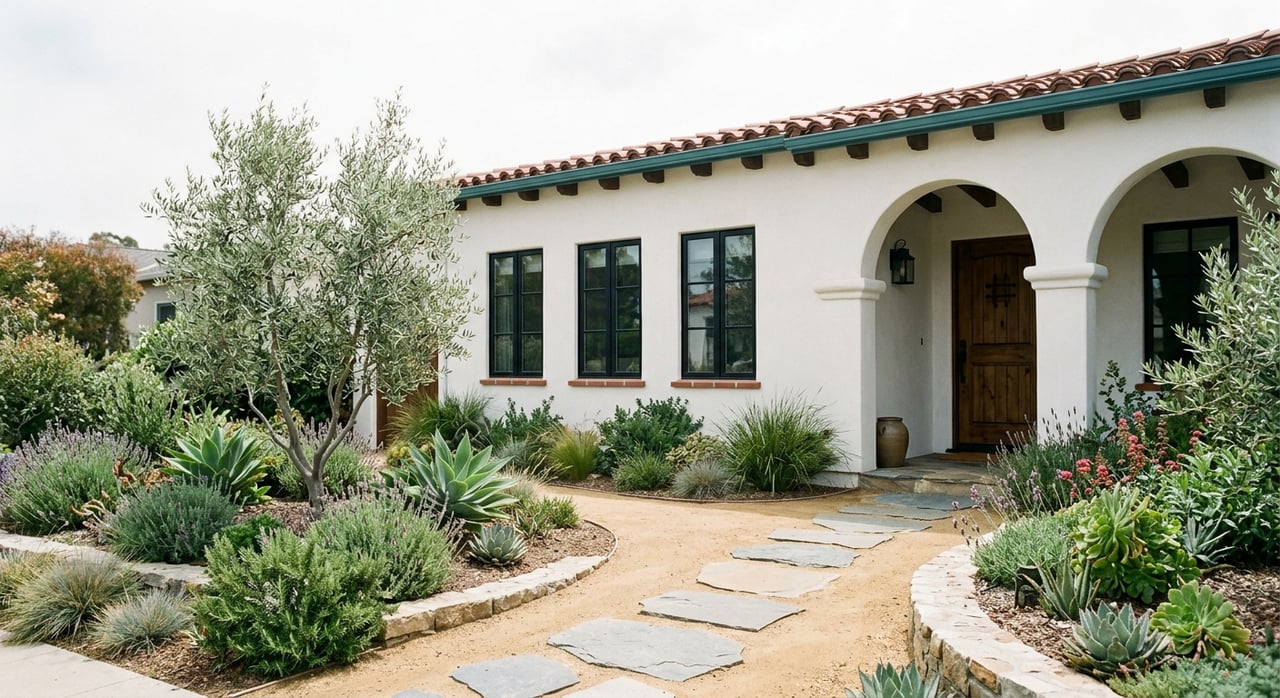
Palos Verdes Estates is not trying to be a major retail destination, and that is part of its identity. Malaga Cove Plaza serves as the city’s Mediterranean-revival centerpiece and a small local business node, but the broader feel is still residential first and commercial second. You can see that emphasis in the city community overview.
For some buyers, that is exactly the point. The appeal is coming home to a setting defined more by architecture, open space, and neighborhood streets than by heavy commercial activity. For others, it means accepting that many errands, dining options, and regional destinations will involve a drive.
Life in Palos Verdes Estates also connects easily to the rest of the peninsula. Nearby, Rancho Palos Verdes says its Nature Preserve spans about 1,500 acres across 11 public reserves, with hiking, equestrian, and bicycle trails. That gives residents access to a broader network of outdoor spaces beyond the city itself.
At the same time, access can change. Rancho Palos Verdes notes on its trail conditions and alerts page that trail conditions may shift day to day and some areas can close temporarily due to landslide-related activity. If outdoor access is a big priority for you, it helps to treat trail conditions as something to check regularly rather than assume.
Nearby communities add to the peninsula’s overall character as well. Rolling Hills Estates describes itself as rural, with parks, horse trails, bridle paths, and a serene environment. Rolling Hills, as described through Palos Verdes Estates city information, is a gated residential community with limited access roads and horse-oriented large lots. Together, these neighboring areas reinforce the peninsula’s low-density, open-space identity.
As peaceful as Palos Verdes living can feel, daily logistics still matter. Peninsula travel is primarily road-oriented, with planning documents identifying the 110 and 405 freeways as the main regional connectors and Hawthorne Boulevard, Western Avenue, Crenshaw Boulevard, and the Palos Verdes Drive corridors as key arterial routes. That means driving remains the default for most commutes, errands, and school or activity drop-offs.
Transit options do exist, but they are limited. PV Transit operates on weekdays and not on federal holidays, while regional materials note that fixed routes have historically operated primarily on school days. There is also regional bus access through LA Metro schedules, including Line 344 via Hawthorne Boulevard.
For buyers relocating from more transit-connected neighborhoods, this is an important tradeoff. You are gaining space, views, and a quieter environment, but in most cases you will rely on your car more often.
One practical issue that should not be ignored is land movement on the southern peninsula. A 2025 Rancho Palos Verdes report describes Palos Verdes Drive South as a major commuter and evacuation route used by roughly 15,000 vehicles daily, and city alerts note ongoing closures and restrictions in the landslide area.
That does not define all of life in Palos Verdes Estates, but it is part of the broader peninsula reality. Depending on where you go regularly, route planning and awareness of current road conditions may be part of your routine. If you are thinking about a move, it helps to weigh not only the beauty of the area but also the practical paths you will use most often.
Palos Verdes Estates often appeals to buyers who want a more residential setting with visual breathing room. If you value scenic streets, lower-density surroundings, easy access to self-guided outdoor spaces, and a pace that feels calmer than much of Los Angeles, the lifestyle can be a strong match.
It can be especially appealing if you enjoy walking, trail access, coastal views, or the equestrian culture that still plays a role across the peninsula. On the other hand, if you want dense retail, frequent transit, or a quick urban pace right outside your door, the tradeoffs may feel more noticeable.
In other words, everyday life here is less about constant activity and more about setting. You are choosing a place where the environment itself does a lot of the heavy lifting.
Palos Verdes Estates offers a lifestyle shaped by scenery, open space, and residential calm. The views are real, the trails are part of daily life, and the streets often feel intentionally quiet. At the same time, the area works best when you understand the practical side too, including limited transit, steep beach access in some spots, and changing road or trail conditions across the peninsula.
If you are thinking about buying or selling in Palos Verdes and want local guidance grounded in both lifestyle and day-to-day realities, the Yamada Clayton Realty Team is here to help you make a confident move.
We pride ourselves in providing personalized solutions that bring our clients closer to their dream properties and enhance their long-term wealth. We strive to educate and empower our neighbors and clients in making one of their biggest investments, purchasing or selling a home.