Living in Torrance CA with Your Family: Daily Life
February 19, 2026
February 19, 2026
Trying to picture daily life with kids in Torrance? You want an easy routine, good access to activities, and a home that fits your budget without giving up the beach. This guide shows you what family life looks like across neighborhoods, what weekends tend to include, and how housing, schools, and commutes stack up. Let’s dive in.
Torrance sits in the South Bay with a population around 139,600 and a land area of about 20.5 square miles. About 20 to 21 percent of residents are under 18, which helps explain the steady demand for parks, programs, and school activities. The mean commute time is about 26.9 minutes, so many parents juggle work and school runs within a manageable window. You can confirm current population and commute data on the city’s profile at the U.S. Census Bureau.
Torrance is often described by broad areas. Each one shapes your daily routine a little differently.
If you want quick beach access, West Torrance places you near Torrance Beach and bike paths that connect to neighboring coastal cities. Weekends often include sand time, a bike ride, and a casual meal close to home. Many streets sit within a short drive of the shoreline, which keeps family beach days simple.
Central Torrance centers around errands and entertainment. The Del Amo Fashion Center anchors shopping, dining, and movies, and many after‑school lessons and appointments fall within this corridor. It is common to pair a practice or class with a quick dinner or a supply run. Browse the mall’s stores and dining on the official site for a feel of what’s nearby. Explore Del Amo Fashion Center.
Old Torrance offers a compact civic and cultural core. The Torrance Cultural Arts Center and the Torrance Art Museum host classes, performances, and community events that families use year‑round. If you prefer weekday arts classes or weekend performances close to home, this area puts you near those venues. See cultural venues and programs.
South Torrance, including Walteria, and many North Torrance pockets feature established residential streets and neighborhood parks. Daily life often includes short school drives, an afternoon stop at a nearby park, and easy access to local shopping plazas. These areas offer a range of single‑family homes and convenient east‑west connections to the rest of the city.
Torrance Unified School District (TUSD) operates multiple elementary, middle, and high schools across the city. The district highlights programs families often ask about, including Spanish Dual Immersion, Early College options, and state‑sponsored preschool slots.
If you are comparing specific campuses, check official school pages and district resources for the most current information. Third‑party school review sites exist, but the district remains the source of truth for boundaries, programs, and timelines.
Torrance offers a deep bench of parks and family spaces that make it easy to fill afternoons and weekends.
You can scan city facilities and programs to map out your family’s favorites. Browse Torrance parks and facilities.
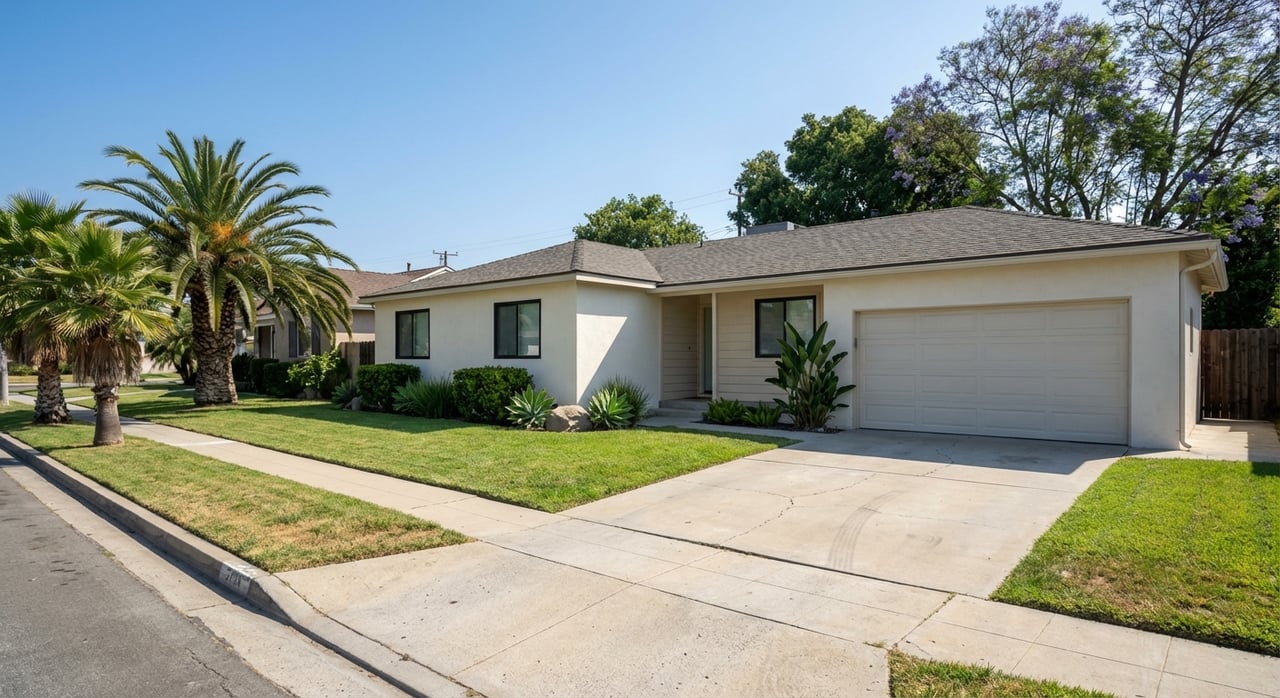
Most family buyers in Torrance look at single‑family homes built mid‑century through the 1970s, often updated over time. You will also find newer townhomes and condo clusters near major corridors and around Central Torrance.
Recent market trackers place the citywide median home value roughly in the 1.1 million to 1.2 million range. Month‑to‑month numbers move, so check a current source when you get serious. See a current Torrance market snapshot.
Compared with nearby beach cities, Torrance is generally more affordable while keeping you within a short drive of the ocean. Neighborhood prices can vary block to block, so plan to review comps by area and home type.
The mean commute for Torrance residents is about 26.9 minutes, which gives you a baseline for planning. Daily life often mixes short school drives with local errands, and many South Bay commutes stay under 30 minutes off‑peak. Torrance Transit provides local bus service and express connections for teens and adults who prefer not to drive every day.
A major rail extension is planned that would connect Torrance to the regional network. Metro’s project, often referenced as the C Line extension to Torrance and operating as part of the K Line, aims to link the South Bay to the LAX/Metro Transit Center once complete. Timelines extend into the 2030s, so treat this as a future benefit rather than an immediate change. Track Metro’s project updates.
If you want data on local policing, the Torrance Police Department publishes transparency and analysis resources, including AB 481 reports. Reviewing official reports can help you understand trends and context by area. See Torrance Police resources.
For healthcare, you are close to multiple hospitals that serve South Bay families. Providence Little Company of Mary Medical Center and Torrance Memorial Medical Center both offer emergency and specialty care. Providence’s Torrance campus has been recognized in national rankings. Learn more about Providence Little Company of Mary.
Here is how a typical routine might look once you settle in:
If that sounds like you, Torrance can be a comfortable, convenient place to put down roots. When you are ready to explore neighborhoods and compare home options street by street, connect with the Yamada Clayton Realty Team for local guidance and to Request a Personalized Home Valuation.
We pride ourselves in providing personalized solutions that bring our clients closer to their dream properties and enhance their long-term wealth. We strive to educate and empower our neighbors and clients in making one of their biggest investments, purchasing or selling a home.